

Choosing the right cement type is crucial for construction success in Nigeria. Understanding the difference between OPC and PPC cement helps builders, contractors, and homeowners make informed decisions for their projects.
What is OPC Cement?
Ordinary Portland Cement (OPC) is the most common cement type used in Nigerian construction. OPC cement contains clinker and gypsum, offering high early strength development. This cement type is ideal for projects requiring quick strength gain and faster construction timelines.
OPC cement grades available in Nigeria include 32.5, 42.5, and 52.5, with the numbers indicating compressive strength in megapascals. Most residential construction projects use OPC 42.5 grade cement for optimal results.
Understanding PPC Cement
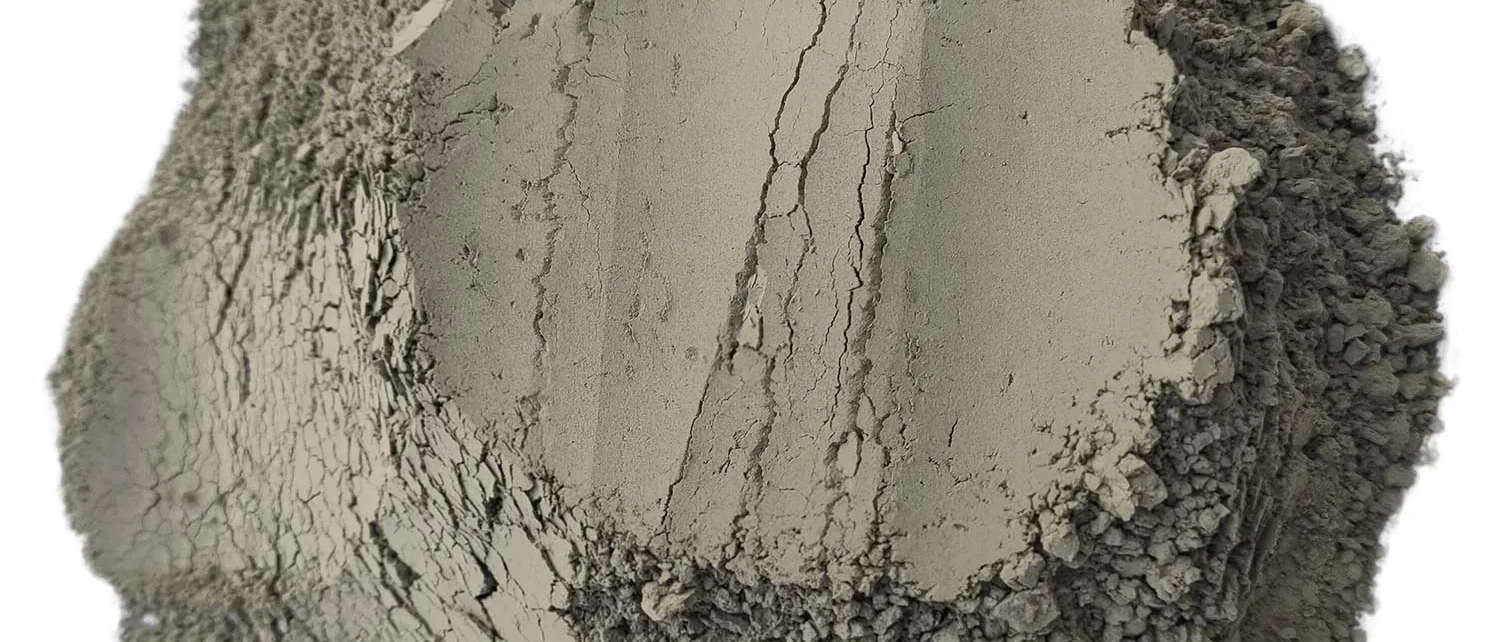
Portland Pozzolana Cement (PPC) combines OPC clinker with pozzolanic materials like fly ash. PPC cement offers better long-term strength and improved durability compared to OPC. This cement type provides excellent resistance to chemical attacks and is environmentally friendly.
PPC cement takes longer to develop initial strength but offers superior performance in aggressive environments. Many Nigerian builders prefer PPC for projects exposed to harsh conditions.
Key Differences Between OPC and PPC Cement
Strength Development: OPC cement gains strength faster than PPC, making it suitable for projects with tight deadlines. PPC cement develops strength gradually but achieves higher ultimate strength.
Heat Generation: PPC generates less heat during hydration, reducing concrete cracking risks. OPC produces more heat, which can be problematic in mass concreting works.
Durability: PPC cement offers better resistance to sulfate attacks and chloride penetration. This makes PPC ideal for coastal areas in Lagos, Port Harcourt, and other Nigerian cities.
Cost Consideration: OPC cement generally costs less than PPC in Nigerian markets. However, PPC’s long-term benefits often justify the price difference for permanent structures.
When to Use OPC Cement in Nigeria
Use OPC cement for residential buildings requiring quick completion, cold weather concreting where faster strength gain is needed, precast concrete elements and prefabricated structures, and projects with normal environmental exposure conditions.
OPC works excellently for standard Nigerian housing projects, including bungalows, duplexes, and low-rise apartments. The cement’s rapid strength development allows earlier formwork removal and faster construction progress.
When to Choose PPC Cement
PPC cement is recommended for marine structures and coastal construction, mass concrete works like dams and foundations, structures exposed to sewage and chemical environments, and long-term infrastructure projects requiring enhanced durability.
For Nigerian cities near the Atlantic Ocean, PPC cement provides superior protection against saltwater corrosion. Government infrastructure projects increasingly specify PPC for its sustainability benefits.
Making the Right Choice
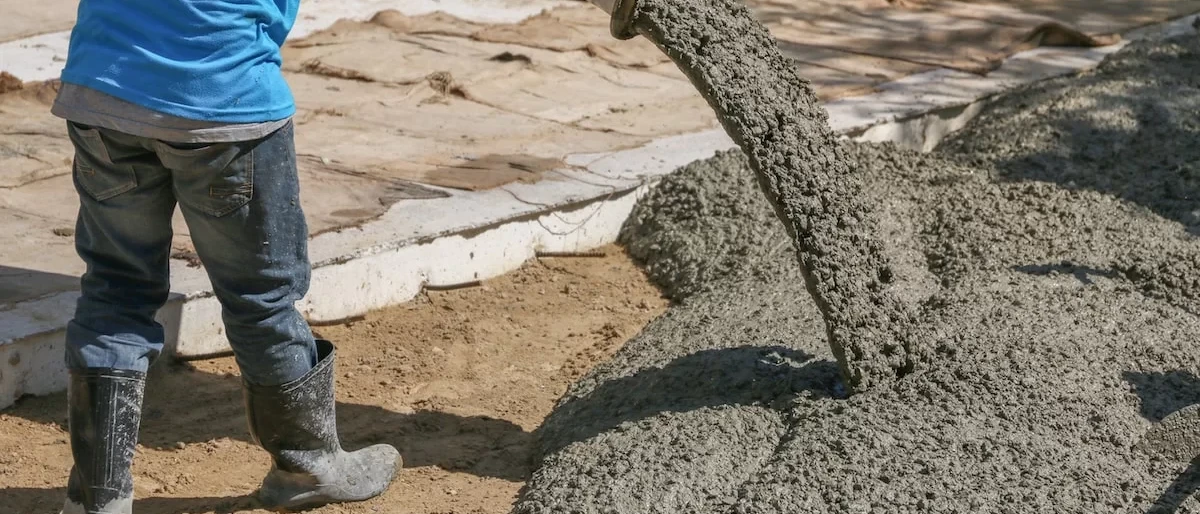
Consider your project timeline, environmental conditions, budget constraints, and structural requirements when choosing between OPC and PPC cement. Consult structural engineers for critical projects requiring specific performance characteristics.
Many Nigerian contractors successfully combine both cement types, using OPC for superstructure work and PPC for foundations exposed to groundwater. This hybrid approach optimizes both construction speed and long-term durability.
Understanding OPC versus PPC cement helps Nigerian builders deliver quality construction projects that stand the test of time while managing costs effectively.